
Understanding vaping device anatomy
Grasping the intricate components and operational mechanics of modern personal vaporizers significantly enhances your overall vaping experience.

Essential vaporizer components
Pod systems and basic vaping hardware
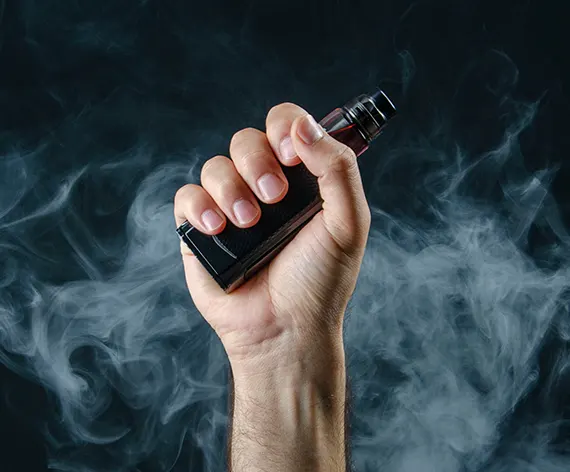
Compact pod systems operate by drawing power from integrated batteries to heat specific coils. When activated via a pressure sensor, electrical current flows through the resistive element, instantly raising its temperature. The saturated wicking material then transforms the contained liquid into inhalable mist. These foundational setups focus on portability, featuring fixed airflow pathways and preset power outputs. This internal configuration ensures consistent vapor production throughout daily usage cycles without requiring constant manual adjustments from the operator.
Ergonomic mouthpieces comfortably direct the generated mist, while transparent reservoir sections allow visual monitoring of remaining liquid levels. Internal safety chips constantly monitor voltage output, effectively preventing short circuits during active heating phases.

Advanced power units
Regulated box mods and precision control
Sophisticated chipsets embedded within larger external frames grant users complete command over electrical variables. Through responsive displays, operators fine-tune wattage levels and adjust temperature limits specific to installed wire materials. Dual power configurations provide extended operational times and support sub-ohm capabilities, safely delivering massive power output. Mechanical variations bypass electronic regulations entirely, relying purely on physical connections to complete the circuit. This direct output method requires profound knowledge of electrical laws to maintain secure and stable heating conditions during activation.
E-liquid formulations
What’s inside vaping solutions?

Propylene glycol base
This thin synthetic organic compound serves as a highly effective flavor carrier, providing distinct throat sensation upon inhalation while keeping coil residue minimal.

Vegetable glycerin density
Derived from plant oils, this viscous liquid creates dense cloud production during vaporization, adding subtle natural sweetness to the overall inhalation profile.

Nicotine salt innovations
Modifying the alkaloid structure with specific acids creates smoother throat hit profile, allowing higher concentrations to be vaporized comfortably at lower power settings.

Synthetic flavoring agents
Food-grade concentrates are meticulously blended by specialized mixologists to replicate complex taste profiles, ranging from robust tobacco flavors to intricate dessert and fruit combinations.

Optimal steeping processes
Allowing mixed formulations to rest in dark, cool environments facilitates molecular bonding of ingredients, significantly enhancing the final aromatic notes before consumption.

Viscosity and wicking
The specific ratio between base liquids determines how efficiently cotton wicks absorb the solution, directly impacting performance of different atomizer tank designs.
Hardware enhancements
Which peripherals enhance vaping setups?
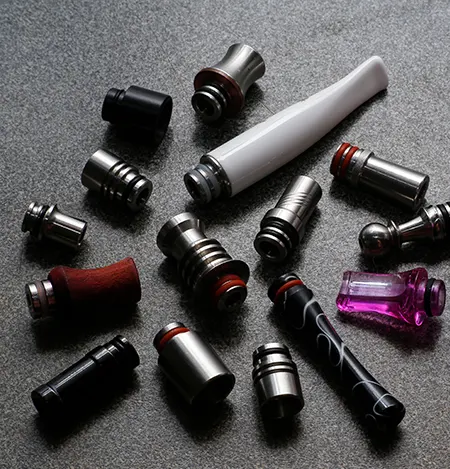
Heat resistant resin mouthpieces
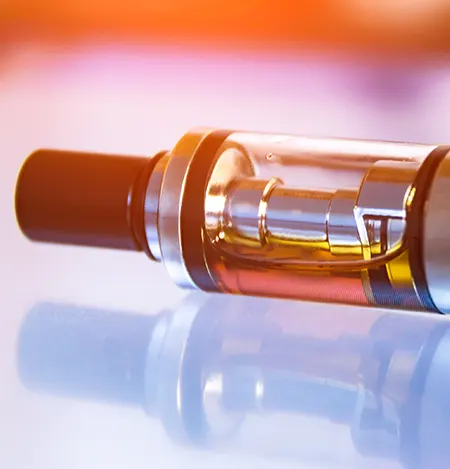
Borosilicate glass replacement tubes
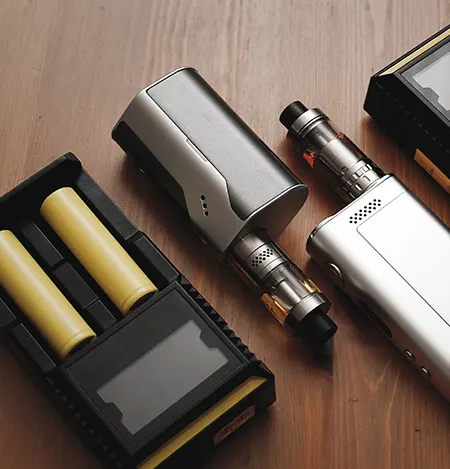
Intelligent external battery chargers
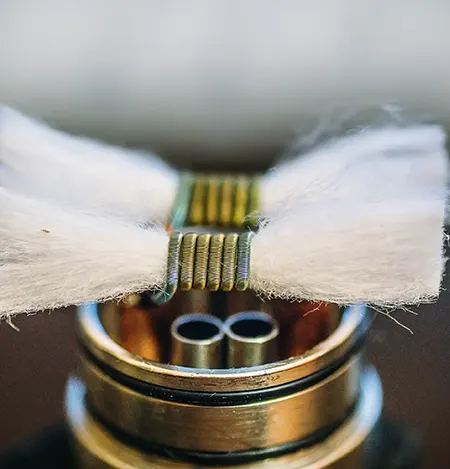
Organic cotton wicking materials

Ceramic tweezer building kits
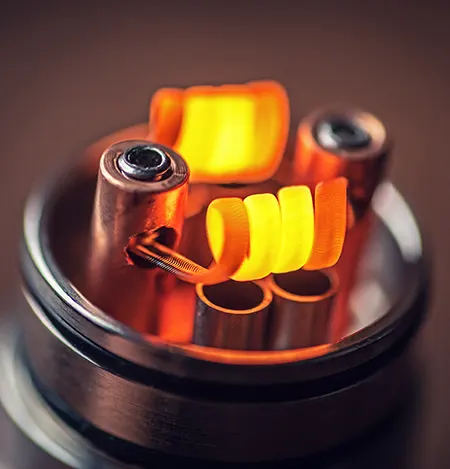
Complex heating wire spools

Device maintenance
Cleaning and maintenance protocols
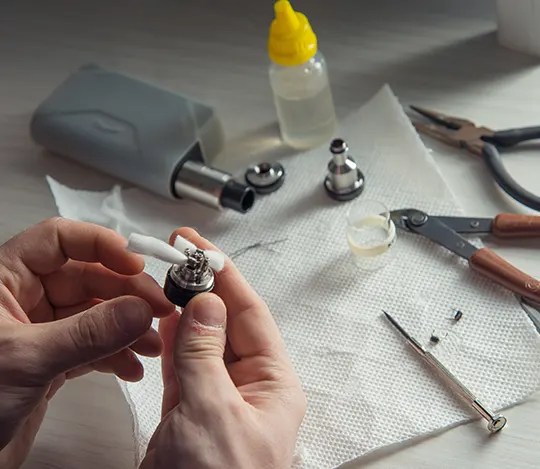
Disassembling atomizer tanks allows for thorough ultrasonic baths, effectively dissolving crystallized sweetener residues trapped within microscopic airflow channels. Regularly inspecting rubber seals prevents pressure leaks that cause internal flooding issues. Electrical contacts connecting the tank to the power unit require frequent swabbing with isopropyl alcohol to maintain optimal conductivity and prevent misfiring incidents. Furthermore, properly saturating newly installed cotton directly before initial heating eliminates the risk of scorching, thereby vastly extending the operational lifespan of replaceable internal heating elements and maintaining flavor purity.
System integration
Optimizing your personal vaporization setup
Harmonizing precise power output with specific fluid viscosities ensures optimal mist production. Understanding resistance values prevents unnecessary strain on internal power cells. A carefully calibrated setup delivers consistent thermodynamics, transforming chemical blends into smooth clouds without compromising component integrity.
Diligent attention to these structural and chemical dynamics guarantees a refined, predictable, and highly efficient vaping experience daily.